Tag Archives: Teaching Tips

The Decimal Dilemma: 8 Common Misconceptions and How to Avoid Them

The words Fixing Common Decimal Misconceptions superimposed over a receipt featuring decimals.
A girl solving decimal problems on a blackboard.

Decimals can be a tricky concept for students. Without a solid foundation in 4th and 5th grade, students may struggle with algebra, science, and even life! I used decimals this morning when I paid for my latte and last night when I cooked dinner. Decimals are everywhere!

But decimals don’t have to trip up your students. By understanding the misconceptions your students are likely to develop, you can help your students avoid them! This blog post will explain 8 concepts that students might struggle with, and give you strategies and resources for making sure YOUR students master these key math concepts.

Read to the end to download a FREE resource to help you combat these misconceptions in YOUR classroom!

Click the links to jump to a specific section.

Misconception #1: Adding more zeros changes the value of a decimal.

When they learned about whole numbers, students were taught that 10 < 100. Putting another zero to the right shifts the value, and so it makes sense that students will try that trick with decimals as well. But, the decimal point communicates the value of the digit, so this “rule” does not hold true for decimals.

Strategy 1 – Math Talk

I like to use this Math Talk to help students understand that trailing zeros don’t change the value of the decimal number. It is the conversation and the struggle to explain that makes this powerful. You might follow up by having students write about this in their math journals.

Write this on the board, or download the free resource at the end of the post and project it.

This problem is deceptively simple. Students likely have background knowledge that tells them the two coins are not the same value. But, can students explain why the values are different? As you question students, push them to explain their thinking and tie their understanding of money to decimals. As they find the words to explain the difference in values, I like to look for a moment to pop the numbers into a place value chart and compare them. That really brings the concept home for students. It can be helpful to follow up with more comparisons to reinforce the concept.

Misconception #2: Decimal numbers can’t be between whole numbers.

This misconception probably has its roots in kindergarten math. When students learned to count, they learned the standard counting sequence: 1, 2, 3, 4…. and so on. No one mentioned all the numbers they were skipping over. So it can be difficult to go back to something that has been rock solid for half of their life, and change it now.

Strategy 2 – Number Lines

Number lines are your best friend for helping students learn that there are all kinds of decimal numbers between whole numbers. I like to start by giving students an 18-inch strip of paper to make a number line. We fold it in half 4 times, which makes 16 sections. Then, open the strip and ask students to make a mark on the fold in the exact center. Label this .5. Tell students that each fold is a tenth, and ask them to find and label 0, and then find and label 1. Then, fill in the correct tenth for each fold. This exercise helps reinforce the concept that decimals fall between whole numbers.

Note: This is an amazing time to label the negative decimals that come just before 0 and the decimals that fall just after 1. I find that briefly introducing these concepts now avoids misconceptions later!

Misconception #3: A longer decimal is always greater.

This misconception also dates back to early instruction on place value. Somewhere along a student’s education, someone told them, “423 is greater than 42 because it has more digits.”

While that rule works for whole numbers, it does not work for decimals. In my classroom, I call that a “Rule that Expires”. The rule only works for awhile, but it does not hold true for decimal numbers.

It is vital for students to understand that the decimal point determines the value, not how many digits a number has. That rule does NOT expire, and it works for decimal numbers AND whole numbers!

Strategy 3 – Place Value Blocks

To help students understand that a longer decimal might have a smaller value, I like to grab place value blocks. Early in their math career, students learned that these blocks represent 1, 10 and 100. Now, I tell them we are going to name the flat as our whole. That means the rod is 1 tenth and a unit is 1 hundredth. Set up a problem where students compare 7 rods and 25 units. Ask students to lay the blocks out on their desks and label each decimal. It will look like this. (This image is included in the FREE download!)

Using a concrete example with manipulatives clearly shows students that the larger decimal has one digit while the smaller decimal has two digits. Lead a discussion and give students additional examples to bring the concept home.

Misconception #4: The decimal point is not an important part of the number.

I think this misconception comes from students thinking that the comma that separates hundreds from thousands is optional, and so they assume the decimal point is too. 1524 = 1,524. That leads students to reason that 2.7 = 27. But of course, the decimal point has much more meaning than the comma.

Strategy 4 – Place Value Chart

Shifting decimal numbers on the place value chart helps students understand the meaning of the decimal point. Start by writing an easy number in the place value chart. This example uses 24. Then, shift the numbers one place to the right and lead students through a discussion of the change in value. Shifting to the right decreases the value by 10x. In other words, 2.4 is one tenth of the value of 24. It might look something like this (this image is also in the FREE download).

One thing to consider is your own language around decimal points. When you read a number, do you say, “two point four” or do you say the number correctly, “two and four-tenths”? I think using the correct language helps stress the value of the decimal numbers, and reinforces that they are NOT the same as whole numbers. Language matters! We know that the brain needs language to process concepts, so hold yourself accountable to using the correct terminology. Your students will learn it from you.

This FREE resource helps students solidify key decimal concepts, and is perfect for preventing misconceptions 4 and 5. Click here to get it today, along with other FREE resources, tips and insights to grow your teaching.

Misconception #5: Tenths and hundredths are the same.

Misconceptions 4 and 5 are related. If students understand that the decimal point is an important marker that separates the whole numbers from the decimal numbers, they will more easily understand that the value of a decimal is determined by its distance from the decimal point.

Strategy 5 – Math Journal

Because this misconception connects to misconception 4, I suggest that students use a place value chart to address this one too. I like to connect this to what students already know about whole number place value with a journal prompt. The concept is the same for decimal numbers as it is for whole numbers. Using this prompt for their Math Journal helps students explore the relationship between whole number digits and decimal number digits.

How does a whole number’s place in the place value chart affect its value? Do decimals change value in the same way? Use examples like 10, 1, .1, and .01 to explore this concept and explain your thinking. A place value chart might be a helpful visual in your explanation.

Misconception #6: A decimal with a large face value is larger than a whole number with a smaller face value.

This misconception is also rooted in students’ understanding of counting whole numbers. When you count, 6 comes after 5, so 6 is bigger. But what happens when you compare .6 with 5? Is .6 greater than 5?

Of course, the answer is no because the decimal means that the 6 is no longer in the ones column. It has shifted to the tenths column. And tenths are smaller than whole numbers. So, .6 < 5, even though the face value of the digits suggests otherwise.

Strategy 6 – Shopping Scenario

Because students have background knowledge about money, setting up a shopping scenario helps students easily understand this concept. Try this word problem.

Serena has $4.00. She would like to buy a glitter pencil that costs $0.80. Does she have enough money? How do you know?

Again, this problem is deceptively simple. Students will immediately say something like, “Yeah, $0.80 is less than $4.00!” Don’t let them stand on that statement. Push them to explain their thinking. Point out that 8 is larger than 4 to really make students confront the misconception and work through it. Explicitly pointing out the face value of a digit and discussing the importance of the place of that digit is really helpful in combating this misconception. Encourage students to use a place value chart or other visual to thoroughly explain their thinking.

Misconception #7: Fractions and decimals are unrelated.

Fractions and decimals are both representations of partial numbers. Understanding this, and developing the ability to choose between the two representations helps students navigate authentic situations.

Strategy 7 – Pizza Math

Pizza is a perfect way to connect decimals and fractions. Show a picture of a pizza (or better yet, buy a pizza) cut into ten pieces. Ask students to label the pizza with decimals and with fractions. The visual does the heavy lifting to help students connect fractions and decimals. You can grab this image for FREE in the download at the bottom of the post!

For students who are ready, this video helps cement the connection between fractions and decimals.

Misconception #8: Align decimals to the right when adding and subtracting.

If you have ever taught upper elementary students, you know that students often add or subtract numbers without lining up the decimal points. Instead of telling students to line up the decimal points, help students understand why you line up the decimal points. Building that conceptual understanding will cement the concept. Remind your that they need to add or subtract decimals from the same place, just as they do for whole numbers, and that the decimal point determines the place.

Strategy 8 – Problem Sequence

I like to explore this concept by starting with an equation the students can add easily, for example 3 + 4. Write that on the board, and ask students to solve the equation. Then, rewrite the equation with the same numbers, but include tenths with one of the addends. Keep going, using the same digits but including decimals. At this point, I choose numbers that do not require regrouping. Your sequence might look something like this.

FREE Decimal Misconceptions pdf

I hope that exploring these misconceptions has helped you feel ready to tackle them with your class. If you would like to project the images from this blog post, I’ve put them into this handy FREE download. Grab it today, and set your students up for decimal success!

Let’s Connect!

You can find Ms. Cotton’s Corner in various corners of the Internet – TPT, Instagram, Facebook, Pinterest and YouTube. See you there!

Check these places to ensure that you don’t miss a thing! And don’t forget to tell your friends! Sharing is Caring!

Christmas Kindergarten Math Activities: FREE Gingerbread Math Game

December can be a crazy time! Keep the learning going strong with Christmas kindergarten math activities like this gingerbread-themed number sense game. This FREE download includes 2 versions – Make 5 AND Make a Ten! You also get spinners, differentiated recording sheets, and two independent practice pages. It is easy to prep, and engaging for…

Decoding in Kindergarten- The Science of Reading

Recently I’ve been blogging about my journey of exploration into the Science of Reading. Be sure to check out some of these other posts if you’ve missed them: The more I dive into the Science of Reading, the more I am using the Simple View of Reading and Scarborough’s Reading Rope to guide instruction in…

Mastering Decimal Place Value with a FREE Game

This blog explores the importance of foundational understanding of decimal place value and whole number place value. Strategies include using games like Place Value Spin to build concepts of place value, connecting whole numbers to decimals, and a free instructional video to use with your students.

Make Mom Smile with this FREE Mother’s Day Craft – video tutorial

a free printable for a Mother's Day Craft

You and Mom will both smile about this easy, low-prep Mother’s Day Craft. It’s perfect for elementary grades – even kindergarten! This FREE resource includes two versions – a simple low-prep option for younger students and a more in depth version for older students. Either way, it won’t take much of your time and it’s sure to be a hit with Mom!

sample of a free Mother's Day card with directions and printable

Click the links to find out more!

What Does this Mother’s Day Craft Include?

This Mother’s Day Craft includes everything you need to make a charming card with the text, “My Love for You Grows…. and Grows…. and Grows!” The text is spaced along several folds so that a flower grows as the text is revealed! I get rave reviews about this card every year, and you will too! I’ve used it with upper-grade elementary students and I’ve used it for the past several years in my kindergarten classrooms. It really is that versatile!

Detailed directions with images for this Mother's Day Craft

The FREE resource (which you can download from Ms. Cotton’s Corner on TPT) includes directions and templates for a simple version that I have used with my kindergarten students. It ALSO includes directions for a more difficult, and more personalized version, that I have used with my upper grade students.

With the FREE download of this Mother’s Day Craft, you get:

  • Detailed Prep Steps
  • Directions, with screen shots – perfect for showing to the kids!
  • Printable flower pots, leaves and flowers – two versions means choices for you!

Check Out this How-To Video

Check out this video to preview the lesson and learn how-to make this darling card!

Tips for Making this Mother’s Day Craft in Your Classroom

Crafts can be a time of quiet, focused productivity, or a time of great chaos! I’ve been teaching for a loooooong time, so here are a few tips that I find help me get to the calm, not the chaos.

Give Kids Structured Choices

A collage of flowers for this Mother's Day Craft

Choice is an important motivator for kids, and it’s especially important when they are making something as a gift. This is such a great moment to help kids get outside of themselves and think about others. BUT, too many choices causes chaos.

So, when I use this craft, with my kindergarten students OR with my older kids, I offer choices, but not too many. In this photo, you can see how I spread the different flower colors out on a table for my kindergarten students to choose from. I sent them to the table, three at a time, and told them to think about which flower their mom would like best. Choosing the flowers took about 2 minutes, but the choice helped the kids feel invested in the craft, and helped them think about someone besides themselves for a moment.

Never do something for a kid that they can do themselves…

Folding this Mother’s Day card correctly is what makes it so charming. Be sure to check out the video tutorial if you haven’t already! That said, I folded the cards for my kindergarteners in advance and then checked them all at the end to make sure they were folded correctly. I knew that folding the card would be a HUGE challenge for my kinders. They are not great at lining up corners or creasing, or folding with precision. And, I wanted them to put their focus and attention on gluing the card together precisely. That was enough of a challenge to keep them engaged, but not overwhelmed.

A student assembling the Mother's Day Craft

With upper-grade students, I did NOT fold the cards. I cut the paper and then showed the kids how to fold. For some, that was a good challenge. It’s all about knowing your students, and your professional judgement is what you should rely on here. Ask yourself, “Can my kids fold this without feeling frustrated? Will folding this Mother’s Day Craft engage them, or overwhelm them?” If they can do it themselves, they should. It’s not about perfection, it’s about growing. Trust me, even if the card is lopsided, Mom will love it!

Prep Steps and Materials

Once you download the FREE resource from TPT, you will want to print the pages. You will need these supplies to complete the project:

  • Half of a 12×18 piece of construction paper for each student (cut the long way)
  • Copies (I prefer bright cardstock, but any colored paper will work.)
    • Flowers – there are 4 per page, so 6-8 copies for a class.
    • Flower pots – there are 6 per page, so 4-5 copies for a class.
    • Leaves – each project needs 3 leaves, so there are enough for 5-6 students per page.
  • One 1-inch strip of green construction paper per student for the stem of the flower.
Prep steps for Mother's Day Craft

The FREE Mother’s Day Craft resouce on TPT includes linked directions. Just read through, choose the version that fits your students, and click to jump right to the pages that you need.

More Simple Solutions for Your Classroom

I am a big fan of low, or no-prep classroom options, and I’ve collected a lot of ideas over my many years of teaching. Be sure to check out these blog posts for more ideas that will save you time and help your students learn! Click the image to check them out!

Do you have 15 minutes to hook kids on books? Engage students with a simple Reading Strategy – Book Pass! This blog post gives clear directions for using this no-prep strategy.

Students gathered for a Book Pass
Header for Making a Spiral Thinking Strip

This blog post includes a video tutorial and directions for how to make a Spiral Thinking Strip – a versatile foldable that is great for summarizing, recording math facts, and more!

What’s New?

Check out these recent blog posts for more resources and insights to grow your teaching!

Download Free Decimal Activities for Grades 4–5 – Teacher Giveaway!

Download four free teaching resources tailored for 4th and 5th graders! This giveaway includes activities from four different teacher-authors on decimal place value, addition, subtraction, and rounding. These engaging activities will help your students solidify important decimal concepts while having fun! All the activities are simple to prep and use.

The Decimal Dilemma: 8 Common Misconceptions and How to Avoid Them

Understanding decimals is essential for students, especially those in 4th and 5th grade. This blog discusses eight common misconceptions about decimals, such as placing zeroes and comparing values. It provides specific strategies and resources to help teachers ensure students master these concepts, ultimately leading to their success in math, science, and everyday life.

You can find Ms. Cotton’s Corner in various corners of the Internet – TPT, Instagram, Facebook, Pinterest and YouTube. See you there!

And don’t forget to tell your friends! Sharing is Caring!

10 Perfect Thanksgiving Books for Read Aloud & FREE Resource

Thanksgiving books

Pumpkin pie, mashed potatoes, naps….. I really love Thanksgiving – in fact, it’s my favorite holiday of the year. Not as hectic and busy as Christmas but still plenty of tradition. I’m gearing up to bake pumpkin pies with my class this week (a tradition in my classroom since the late 90’s!), and it seems like a perfect time to share these Thaksgiving Books with you. I had some trouble, but I managed to curate the list down to 10!

Read on to learn more about how I use these Thanksgiving books in my classroom and to download a FREE resource to use in your classroom!

As an Amazon affiliate, I may earn a small amount if you click on these links and make a purchase at no extra cost to you. Thanks for your support!

How to Catch a Turkey – a favorite Thanksgiving book

Thanksgiving book

by Adam Wallace and Andy Elkerton

This hilarious book is a hit with young students – it’s perfect for pre-K, kindergarten and first grade! I love How to Catch a Turkey because it’s a wonderful way to teach setting and sequencing – two important concepts for building comprehension skills in the primary grades. And it rhymes, so there are great opportunities to build phonemic awareness skills as well. I introduce the book by writing this excerpt on the board.

“Turkey? Stage? No way! No how!

Had I really heard that right?

I broke out of my pen and ran away

with a case of bad STAGE FRIGHT!”

There is a lot to teach with this short excerpt. We talk about the rhyming words right and fright (and how crazy it is to have a silent g in the middle!) Then we brainstorm other words that rhyme with those two words – night, knight, light, fight, sight…. There are a lot! Then we talk about what it means to have stage fright. This is often a new idea for young children, and something they will need to understand to fully comprehend the book. Finally, I tell them that the problem in the book is that the turkey has stage fright, and we will read to see how he solves the problem.

Once I’ve set the purpose for reading, we read, and enjoy, the book! In his desire to avoid the stage, the turkey runs and flaps his way through the school – making this a perfect book to reinforce the idea of setting. As I read, we talk about the different settings, and use our background knowledge about our own school to predict where he will go next! In the end, the turkey faces his fear, and as with so many things in life, facing that fear leads to a wonderful new opportunity!

Be sure to check out this resource on TPT for printables and activities to teach phonics, phonemic awareness, comprehension and writing with this Thanksgiving book!

Don’t have the book? Check out my YouTube channel for a FREE video read aloud of How to Catch a Turkey!

Do your students love the How to Catch series as much as mine do? If so, click here to check out all the titles – they keep writing new ones every year!

Balloons Over Broadway

Thanksgiving book

by Melissa Sweet

This book is a perfect way to expand students’ love of a tradition (the Macy’s Thanksgiving Day Parade) and bring non-fiction to your classroom. Depending on your learners, there might be too much text for pre-k or kindergarten students. Luckily, the illustrations are absolutely marvelous – there is a reason Balloons Over Broadway was a Caldecott Honor winner! If I notice my kiddos getting antsy, I “tell” the story through the pictures.

Balloons Over Broadway is the true story of Tony Sarg, creator of the amazing balloons that float down Broadway and across our screens every Thanksgiving Day. Students who love to tinker will be inspired by Tony’s story. After we read this story, I like to give the students pipe cleaners, balloons and sharpie markers so they can design their own balloon. The draw a character on the balloon, and sometimes even tape extra details. Then they attach pipe cleaners and we parade around the room. It is sooooo much fun!

For more ideas about how to use this book to teach comprehension, phonics and sight words, be sure to check out this resource on TPT. Included in this resource is my favorite emergent reader – it is pretty heartwarming, perfect for this time of year AND perfect for teaching the sight words big and little. Grab the Balloons Over Broadway resource today!

The Story of the Pilgrims – a Thanksgiving book about Plymouth

Thanksgiving book

by Katharine Ross

This Thanksgiving book tells the story of the Pilgrims and the Indigenous Peoples who helped them. The simple text and charming illustrations cover all of the basics – why the Pilgrims immigrated, how difficult life was, and their early dependence on Indigenous People. I like to read this book in the morning, and on the same afternoon, I read….

Pete the Cat – The First Thanksgiving

Thanksgiving book

by Kimberly and James Dean

These two Thanksgiving books are a perfect pair! Pete the Cat – The First Thanksgiving features Pete performing a Thanksgiving Day play. He plays the lead, of course. This book has similar content to The Story of the Pilgrims. Except, it is fiction, and that opens up the teaching point.

After I read both books to the students, I draw a Venn diagram on a chart paper, and we compare and contrast the books. Because they have similar content, it is easy to help students see the differences – a talking cat for example. As we list the similarities and differences on the chart, I reinforce the concepts of fiction and non-fiction.

Do you love Pete the Cat? I do, and so do my students! Be sure to check out this blog post and resource about Pete the Cat – Rocking in my School Shoes. The letter cards and activities in this resource will also work for Pete the Cat – The First Thanksgiving!

Gratitude is My Superpower

Thanksgiving book

by Alicia Ortego

This is a charming Thanksgiving book with a sweet lesson about counting your blessings. Although it does not specifically mention Thanksgiving, the story follows Betsy as she learns to practice gratitude with the help of her gratitude stone. It is a perfect lesson for pre-k, kindergarten and first grade students – really, a good reminder for us all!

After I read this book to my students, I help them create their own gratitude stones to carry with them. For step by step instructions on how to do that in your class, check out this blog post from a few years ago.

Teaching Gratitude with Gratitude Stones

These are the supplies I use to make Gratitude Stones:

  1. River Rocks
  2. Mod Podge
  3. Stickers – I like these hearts, but any small stickers will work. Look for stickers about a half inch so that they don’t wrinkle when you put them on a round surface.
  4. Foam paint brushes

Click here to see step by step instructions, including photos!

We Are Grateful, Otsaliheliga

Thanksgiving book

by Traci Sorell

This is a beautiful book about being grateful across the whole year – that makes it a perfect Thanksgiving book! It’s not an accident that the cover is full of medals. The illustrations are colorful and vibrant. The text is simple and powerful. The message is timeless.

As you can tell from the cover, We Are Grateful, Otsaliheliga features Indigenous People from the Cherokee tribe. Words from their language are sprinkled throughout. The book follows the People across the seasons as they express gratitude. One of the things I love the most about this book is that it depicts Indigenous People in modern life. Students often have the misconception that Indigenous People only lived in the past, and this book is a perfect counter to that idea.

When I use this book with my kindergarten students, in addition to the message of gratitude I reinforce the idea of seasons going round and round. Before reading, we do a picture walk to identify the seasons. This helps my students think like scientists and use their sense of sight to find clues for the seasons in the illustrations. By doing that picture walk BEFORE reading the book, I set the stage for students to understand the larger message. This book helps students see that gratitude is something to practice all year long, not just at Thanksgiving time.

Counting Our Blessings

Thanksgiving book

by Emma Dodd

This is another sweet, rhyming Thanksgiving book! Counting our Blessings has the extra benefit of helping students with counting order. The mother dog and the puppy count their blessings, from one to ten. I read this book to my kindergarten students this week, and they all gasped when they saw the golden illustration of the sun. You will too!

After we read this book, I ask the kids to stand in a circle. I stand in the middle of the circle, and count them, one by one. As I count, I call each one a blessing. They love to join in, and pretty soon, you can hear, “One blessing, two blessings, three blessings….” It’s a really simple response the story but it can be powerful to name the kids as blessings. Powerful for you and also for them!

10 Fat Turkeys

Thanksgiving book

by Tony Johnston

10 Fat Turkeys is a laugh out loud Thanksgiving book. Seriously. You will all giggle at the antics of these crazy birds! And, while you are chortling, your students will be counting. So, a math lesson and a giggle – what could be better!

10 Fat Turkeys is a counting backwards book, so it helps give students practice with that process – which will help them be more confident with subtraction! The book uses playful language throughout, including this phrase.

“Gobble Gobble Wibble Wobble do a noodle dance!”

When we finish reading the book, I challenge the students to a noodle dance! This is a lot like the game Simon Says. The students start by standing in their rug spot (mine are defined boxes, which is important for helping them stay in their own bubble). We count all of the students, and I write that number on the board. Then I start some music. The kids’ challenge is to show me what they think a noodle dance would look like WITHOUT leaving their rug spot. As they dance, I walk around and tap 2-3 on the head. Those students sit down. Then, I stop the music and we figure out how many students are sitting down. We count backwards on the number line to find the number of students who are still dancing. The game continues until all of the students are sitting down. This is a fun wiggle break that is also a big math problem!

‘Twas the Night Before Thanksgiving

Thanksgiving book

by Dav Pilkey

You probably recognize the author of this Thanksgiving book. Dav Pilkey wrote the very popular Captain Underpants series. Before you turn away in disgust, I encourage you to give this sweet book a try. It is well worth reading to any pre-k or kindergarten class. The illustrations alone make this a great read.

Dav Pilkey does a superb job of keeping to the rhythm and lilt of the original The Night Before Christmas. In this version, a class of students go on a field trip to a turkey farm. While there, they encounter Farmer Mack Nugget, who looks strangely like the farmer in the famous painting, American Gothic. Farmer Nugget has a bunch of turkeys, and the kids have a great time exploring the farm, until they realize the turkeys are destined for the Thanksgiving table. When the children load the bus, they are mysteriously quite fat. As the bus wends its way home through a sky remarkably similar to The Starry Night, it is clear that love has saved the day – and the turkeys!

When I read this book to my class, we just start by enjoying the book. After we finish, I flip back through the illustrations and we discuss how they enhance the story. When we get to the page that resembles American Gothic, I project it on the screen and we talk about how the two images are the same and different. We do the same with the page the looks like The Starry Night. I love that Dav Pilkey was inspired to bring in those two great pieces of art. Showing them to my class exposes them to two amazing pieces of human culture and adds depth to this book which is both heartwarming and funny.

This First Thanksgiving Day – a Counting Story and FREE resource!

Thanksgiving book

by Laura Krauss Melmed

I really love this Thanksgiving counting book for it’s delightful illustrations and beautiful, rhyming text. The book features Wampanoag and Pilgrim children – and their expressions are so charming. Your students will love finding the children on each page – and counting each one!

I introduce the book with a book walk. We simply enjoy each picture, and try to use the clues in the illustrations to predict the chores that the Pilgrim and Wampanoag children will complete on each page. We also count the children on each page. The text builds to 12, giving preK and kindergarten students practice with numbers up to 12.

After the picture walk, I go back to the first page and read the text to the students. This is our opportunity to check if our predictions were correct. As I read, I reinforce the concept that the pictures and the text should match. This is actually an important concept that helps young writers begin to organize their writing!

Once we finish reading the book, I have students respond to the book by predicting what the Pilgrim and Wampanoag children will do after the feast. Download this FREE resource to get that response sheet AND a math practice page for counting to ten.

How to Catch a Turkey video Read Aloud

I am always uploading new read alouds to my YouTube channel. Check out Ms. Cotton’s Corner on YouTube for my latest video. In the meantime, share this with your class and have a Happy Thanksgiving!

Let’s Connect!

You can find Ms. Cotton’s Corner in various corners of the Internet – TPT, Instagram, Facebook, Pinterest and YouTube. See you there!

Check these places to ensure that you don’t miss a thing! And don’t forget to tell your friends! Sharing is Caring!

How-To Hook Kids on Books with This Simple Reading Strategy

Students gathered for a Book Pass

Are you interested in helping your intermediate students find a book they love? Are you launching a book project, or Book Clubs? If the answer to any of those questions is yes, and you have 15 minutes, then Book Pass is the Reading strategy for you. Read on!

What is Book Pass?

Book Pass is a really simple Reading strategy to hook kids on books, and it’s perfect for launching your Book Clubs or for having kids do a Book Project. By the end of 15 minutes, every student in your class will have a book to read. But better than that, they will likely have one or two more that they would LIKE to read. And helping readers build a reading plan and live a reading life is one of our greatest privileges as teachers. Read on for the simple how-to!

For a Book Pass, all you need is one book per student and about 15 minutes. I use this strategy to launch Book Clubs, so I gather multiple copies of each title – usually I offer 5 choices for a Book Club. So, I need about 5 copies of each book. Arrange the books in a circle on the floor, putting the books in a repeating pattern. You want the books to be organized so that students will see each book but not preview a book more than once.

Simple Steps to the Book Pass Reading Strategy

Book Pass is simple, and once you have gathered the books, all you need is sticky notes. So, no prep needed!

  • Gather one book per student.
  • Set the books out in a circle, making sure that the books are in a pattern to ensure that no student previews the same book.
  • Have the students sit in a circle around the books, and set a timer.

That’s it!

Detailed Steps for Bringing Book Pass to Your Classroom

Choose Great Texts

I use Book Pass to launch Book Clubs, so I start with 5 copies of each text. I find texts with a variety of reading levels, generally around a common theme. Five choices of text provides enough choice that students can usually find a text they are excited about. In the image, you can see recent Book Club choices centered around a theme of classics – old and new. I chose traditional classics like “Shiloh“, but also included a non-fiction choice about Black soldiers in the Revolutionary War – “The Untold Story of the Black Regiment – Fighting in the Revolutionary War” and “Outcasts United”, a modern story about a soccer team made up of refugees from around the world. The variety of texts captured student’s interest, and our guiding question was, “What makes a classic book?” We had some outstanding conversations about that question.

Gather Students Around the Books

The students sit behind the books and begin by previewing the book in front of them. Remind them that good readers preview a book by looking at the cover, reading the blurb and opening the book and reading an excerpt. Set a timer for two minutes. In that two minutes the students are quietly perusing the book and asking themselves one question. “Is this a good book for me?”

Once the two minutes are up, students pass the book to their right. Then, they take their new book, and spend 2 minutes with it. Keep to a two minute timer. I’ve found that it is long enough for a student to get a good sense about a book but not so long that they get bored and start talking. 🙂

After 10 minutes, every student in your class has previewed 5 books. I then collect the books and pass out a sticky note to each student. On the sticky note they write their name and their top three choices, in order. Within a few minutes, I can sort through the sticky notes and most often can get a student their first or second choice of book. Just like that, we are ready to get started with Book Clubs!

Using Book Pass to Launch a Project

I love using projects in my classroom. If you do too, Book Pass is a great way to launch a project. Sometimes, I like to let students choose any book for a project, but there are times when I do want some structure. When you want that structure, begin with a Book Pass. If you limit the choices for a Book Project and use a Book Pass to launch the projects, you get a couple of benefits.

  1. You don’t have to read 27 different books – just the books that you offer!
  2. Kids who are reading the same book can meet to talk and share ideas.
  3. Students will get excited about reading the books their friends are reading.

But, teacher, I didn’t get to read that book…

I love having the solve the problem of not-enough-books for all the students who want them. After a Book Pass, you are likely to find several students who want to read more than one book, I mean, they REALLY want to read them. And, after their friends have read the book, that itch may become unbearable for some students. One year I offered “Artemis Fowl” as a choice in the first Book Pass of the year, and kids were so upset when I didn’t have enough copies for them all. What a lovely problem to have!

No worries – the solution is pretty simple. After the project or Book Club cycle has finished, I always make the copies available to the whole class. Intermediate students are a little like lemmings – if their friends are reading it, they are happy to go along and read it too. I can still hear the sighs of relief after that first Book Pass when kids realized they would ALL get to read “Artemis Fowl” if they just had a little patience. One of the really lovely things about this simple strategy is the conversations that happen organically all year when you hear kids say things like, “Have you read Artemis Fowl yet? It is so good! Can you believe….”

Book Pass is a really simple Reading strategy that helps your students find a book to read – you will hook them on at least one book, and maybe more! Try this strategy every month or so to expose your students to new books and keep them reading!

Let’s Connect!

You can find Ms. Cotton’s Corner in various corners of the Internet – TPT, Instagram, Facebook, Pinterest and YouTube. See you there!

Check these places to ensure that you don’t miss a thing!

And don’t forget to tell your teacher friends. Sharing is caring!

Happy Teaching!

Susan

Need More Ideas for YOUR Classroom?

Check out these recent blog posts. Enjoy!

10 Perfect Thanksgiving Books for Read Aloud & FREE Resource

This blog post features ten Thanksgiving books and a FREE teaching resource for kindergarten. This list will help you identify perfect seasonal books for teaching gratitude, reading comprehenion, counting, and more. Teaching tips and strategies are included for each book to take stress off your plate and add room for pumpkin pie. 🙂

Reading Activities for Room on the Broom

This resource provides lesson plans and various teaching ideas for “Room on the Broom”. The lessons improve phonemic awareness, letter naming, comprehension, and vocabulary development through interactive activities. “Room on the Broom” by Julia Donaldson is an engaging book ideal for preschool to first-grade classrooms during Halloween.

Best Kindergarten Read Alouds for Back to School – FREE videos

This post introduces 9 perfect kindergarten read alouds for the first month of school. Each book serves a unique purpose in fostering literacy and social-emotional learning in the classroom. The features read alouds are “Pete the Cat,” “Alma and How She Got Her Name,” “David Goes to School,” “How Do Dinosaurs Go to School,” “Pirates…

John Lewis – 12 Inspiring Civil Rights Leaders to Teach

John Lewis Reading Comprehension and Vocabulary Teaching Resource

One of the things that makes teaching meaningful for me is the chance to open a student’s eyes and help them see new possibilities. Know what I mean? But, it can be challenging to fit that in with all of the required curriculum, and it can be hard to find resources that help make that happen. That’s why I wrote 12 biographies about Civil Rights leaders like John Lewis. I researched about 20 leaders so that I could choose 12 leaders who fought for equality for women, blacks, hispanics, and farm workers. My goal was to help my students see themselves in these leaders, and I hope yours will too.

Each biography is short – just one page – and focuses on comprehension and vocabulary skills so you can meet your standards AND inspire kids! Win win! 

This resource about John Lewis includes:

  • a one-page text in PDF format AND Google Slides
  • 3 Vocabulary Practice sheets, also in PDF and Google Slides
  • Text Dependent Comprehension questions in PDF format AND Google Forms
  • vetted student friendly links for further research
  • Answer keys, Teaching Suggestions, Schedules, and more supports for you!

You can buy all 12 of the biographies in a money-saving bundle, or just buy the one you need. Click on the image to grab this resource right now!

Read on to learn more about this biography resource about John Lewis and how to use it in your classroom.

Table of Contents

Why Teach About John Lewis?

This biograpy about John Lewis will introduce your students to a key Civil Rights leader who worked for equality from the 1960’s to the present day. Because John overcame discrimination as a teenager , I think he is especially inspiring to students. Maybe one of your students will follow in his footsteps and end up in Congress someday, fighting for a cause they believe in!

As a teenager, John experienced discrimination in his daily life. Luckily, he had a wonderful teacher who encouraged him, and he was able to attend college. His career as a Civil Rights leader really began as a Freedom Rider, and eventually, led him to run for Congress, and win! John’s example is definitely one that can help students see how to overcome the challenges in their own life and reach great success. 

Ideas for Teaching About John Lewis

John Lewis first came to national prominence as the President of the Student Non-Violent Coordinating Committee, and he spoke at the March on Washington right before Dr. King spoke. I like to introduce my students to John Lewis by playing this video clip. In the clip, an older John Lewis reflects on that experience, and clips from his speech are woven throughout. This quick video gives students a wonderful introduction to John as a young man and as an older man (and the link is included in the Teaching Suggestions page of the resource as well!)

After playing the video, I introduce the vocabulary. The resource includes practice sheets for teaching these target vocabulary terms: discrimination, segregation and nonviolent. You can choose to use the PDF printable OR the Google Slides version of the practice sheets. I use my Civil Rights Word Wall cards to introduce the target vocabulary and prepare my students to understand the text. It is a perfect companion to this resource!

OR, introduce the vocabulary using one of your favorite strategies? Need some ideas? Be sure to check out this blog post which gives quick and easy strategies for introducing new vocabulary terms.

Word Walls – A Simple Tool to Boost Vocabulary – Click here!

Google or PDF?

This resource includes Google Slides, Google Forms, and PDF Printables so that you have the maximum amount of flexibility. Personally, I prefer to have my students work on the vocabulary as a printable. This allows them to add the pages to their Word Work notebook, and makes it easy for them to find and use the words later. But, I prefer the Google Slides text and Google Form comprehension questions practice. There are two reasons.

  1. Reading online text is an important skill and students need practice. This resource is formatted so that students read a paragraph, and take notes right on the Google Slide. The slides also include highlighting bars so that the students can easily highlight important information.
  2. Google Forms are so easy to grade, and that saves me time! Want to know more? Check out this video where I walk through my process of grading this Google Form, and you will see how easy it is!

What Do Teachers Say About this Resource?

This resource will inspire your students, and help you meet goals in reading, comprehension and vocabulary. Plus, it’s versatile and easy to use! But don’t take my word for it. Here is what other teachers are saying!

“My students loved using this resource! It was very engaging and convenient to use! I will definitely use this again in the future.”

-Holly O.

“I used this with our week of learning on activists and our focus on the Selma march. I was looking for a resource to support my students’ ability to read more about John Lewis on their level. This was so helpful, thank you!”

-Lindsay D.

Next Steps

This resource will help you inspire your students as they learn about this amazing Civil Rights Leader. Ready to buy this biography resource about John Lewis?

If you want to dive into this more deeply, you will want to check out these resources that make a perfect companion to this resource.

This Civil Rights Activists resource includes the John Lewis resource featured in this blog post AND features biographies about 11 other Civil Rights Activists working for equality for women, blacks, hispanics, farm workers…. This resource is perfect for introducing students to many Civil Rights Leaders across time and a great jumping off place for a research project. Click the image to grab it now!

Future blog posts will go into greater detail about each of these resources. Check back soon!

And this Civil Rights Word Wall makes teaching important vocabulary terms easy and fun! Click the image and grab it today!

I hope these resources help you inspire students to be leaders as well as learners. And I hope they help make your teaching life easier. 

Let’s Connect!

You can find Ms. Cotton’s Corner in various corners of the Internet – TPT, Instagram, Facebook, Pinterest and YouTube. See you there!

Check these places to ensure that you don’t miss a thing!

And don’t forget to tell your teacher friends. Sharing is caring!

Happy Teaching!

Susan

Christmas Kindergarten Math Activities: FREE Gingerbread Math Game
December can be a crazy time! Keep the learning going strong with …
Decoding in Kindergarten- The Science of Reading
Recently I've been blogging about my journey of exploration into the Science …
Mastering Decimal Place Value with a FREE Game
This blog explores the importance of foundational understanding of decimal place value …
Download Free Decimal Activities for Grades 4–5 – Teacher Giveaway!
Download four free teaching resources tailored for 4th and 5th graders! This …

4 Important Reasons to Set S.M.A.R.T. Goals with Your Students

So, teaching is one of the most complex jobs that exists – I’m sure that you agree. And every year, more seems to get put on our plates – CCSS, SEL, UDL, BIPs, CBAs…. The Alphabet Soup gets added to every year, and nothing ever seems to get taken off the plate.

So, with all of that, why am I advocating that you use S.M.A.R.T. Goals in your classroom? Isn’t that just one more Alphabet Soup- with 5 letters! Well, I think it’s more than that. I think S.M.A.R.T. Goals are the best strategy to help you accomplish ALL of the other things you are asked to do. Read on to find out why it is the one thing that I will never take off my plate!

Goal-Setting Leads to Increases in Student Achievement

Goal-setting has been thoroughly researched, and all the research points to the same thing – when done well, goal-setting helps students understand where they are, where they need to be, and empowers them to get there! Here is a quick summary of some of the research on how this powerful strategy increases student achievement.

  • Visible Learning by John Hattie – This meta-analysis found that goal-setting has a .92 effect size – that is almost a whole year of growth just by teaching students to set goals. That’s a lot of bang for your buck! Imagine what would happen in your classroom if you just worked on goal-setting with one subject area – for example, Reading. Your students would grow enormously! (Check out this blog post to find out how I rolled out Reading S.M.A.R.T. Goals in my classroom.)
  • Classroom Instruction that Works by Robert Marzano – This book is an oldie, but a goodie. It’s another meta-analysis of thousands of studies. Marzano found that goal-setting can help students grow by 18-41 percentile points on standardized tests. Again, that’s a lot of gain!
  • Goal Setting to Increase Student Academic Performance – This is a small scale study in just one district, and I think the results are encouraging and realistic. When teachers were supported by the school district in effective strategies for teaching students to set goals, students achieved at higher rates. For example, in fourth grade, the 60% made adequate yearly growth. The next year, with the same group of students, 69% made adequate yearly growth. The difference? Their district supported teachers by teaching them how to set goals with students. That’s it! I know my principal would be delighted if my test scores went up like that!

Goal-Setting Fosters a Culture of Learning

This well-written blog post by Chase Nordengren does a great job of explaining how goal-setting with students has a positive effect on your classroom culture. I especially love the section titled “From Mandate to Ownership” which describes one school district’s attempts to roll out goal-setting in multiple classrooms. Key take aways:

  • Go slow to go fast. An intentional, focused start to the process is important for building a long-term culture.
  • Allow teachers and students to modify the process to fit their needs. I especially love the way the post describes the cookie-cutter worksheets that the district provided, and how those morphed into teacher-created worksheets, and eventually, into student-created work.

Goal-Setting Empowers Students

Early in my career, I tried to bring goal-setting to my classroom. I typed up a list of approved goals for my students, based on their test scores, etc. And then, I tried to “steer” students to choose the goal I wanted them to. And, it didn’t work. Students were NOT motivated by MY goals (shocker!) Students did not make the achievement gains I was hoping for. So, I gave up and put my time into other strategies. Maybe you’ve had the same experience.

Then, a few years ago, I came back to goal-setting. This time, I taught students to create S.M.A.R.T. Goals (for more on that, check out this blog post and while you’re there, grab the FREE resource!). What I realized is, R is the most important part of the S.M.A.R.T. Goal – Relevance. If you want to motivate your students, help them find goals that are relevant and important to THEM, not to you.

I created this video to help teach my students about setting S.M.A.R.T. Goals. Add it it your Edpuzzle account today – it covers the basics for students in about 3 minutes!

Student Goal-Setting Makes Parent-Teacher Conferences a Breeze!

Probably my favorite benefit is how easy it is to prepare for and run my Parent-Teacher Conferences when students are in charge. In fact, they do the prep work and they run the conference! My main job in the conference is to facilitate the conversation. I use this Student Data Binder from TPT to organize all of the data and goals, and then students run the conference. It really is that easy!

So, do you want to build a learning culture that empowers students and leads to great achievement? Of course you do! Then you are ready to teach students goal-setting in YOUR classroom. But…

Where to Begin?

That’s a great question! If setting goals with your students seems daunting, begin by starting with data collection. Start small, just one subject area if you are an elementary teacher. Download this FREE S.M.A.R.T. Goal template. Use the example included in the resource, and the video from MsCottonsCorner on YouTube to teach students the basics.

If you need resources that will help with all kinds of data tracking, goal setting and reflection, grab this Student Data Binder on TPT. And then, dive in. Even a little goal-setting goes a long way, and once you begin, your confidence will grow and you will find ways to make the process even better for your students!

What IS Science of Reading Anyway?

Click to jump right to these sections:

  1. What is Balanced Literacy, Really?
  2. So, Balanced Literacy Might Not be Enough?
  3. Is Science of Reading the Answer?

“As for comprehension, the most important factor in determining whether readers can understand a text is how much relevant vocabulary or background knowledge they have.”

The Knowledge Gap, by Natalie Wexler (see my review of the book in this blog post)

That quote has been ringing in my ears for the past few weeks. Like many of you, I have been learning about Science of Reading. I listened to the Sold a Story podcast with dismay. When I finished the podcast, I dusted off my bruised heart, and then asked myself, “What now? Do I make drastic changes to the literacy program in my kindergarten classroom? Am I hurting kids with my balanced literacy approach?”

Here’s the thing, I’ve been teaching long enough that I can remember the heated Reading Wars. When I entered the profession in 1995, teachers were still asking themselves which was better, Phonics or Whole Language? And then, in 1996, my aunt, a Reading Recovery Teacher, sent me “Guided Reading, Good First Teaching for All Children” by Fountas and Pinnell. And I had my answer. We should teach both.

That was my first exposure to the idea of balanced literacy. Fountas and Pinnell did spend more time talking about comprehension than decoding, but Word Work was intended as part of the lesson. As a young teacher, I had methods courses on phonics in college, but the world of reading strategies was new to me. I immediately resonated with it. It matched my own experience as a reader, and it felt really good. I felt like the Word Work was easy to teach, so I was grateful for their insights into engaging students in authentic text, and helping them develop comprehension, and along the way, to fall in love with reading.

What is Balanced Literacy, Really?

Balanced Literacy is taking a beating right now, and so are Fountas and Pinnell. In a recent blog post, Fountas and Pinnell said, “… in 1996 we used the word “balanced” as an adjective when describing a high-quality language and literacy environment that would include both small-group and whole-group differentiated instruction that included the various types of reading and writing, letter and word work, oral language, observation, assessment, homeschool connections, all supported by good teaching.”

I spent many years working to become proficient at all the things included in that quote. I learned how to take running records and how to understand MSV. I learned what to do when a student did not use ALL of the cues (including visual letter cues) to read accurately, and I learned how to improve oral language so that reading comprehension would also grow. I learned how to manage whole class and small group instruction in every grade, K-5, and I improved my skills as a writing teacher. I opened my classroom as a lab and invited other teachers to observe my practice and reflect on it with me – a process that helped me as much as it did them. I trained teachers in many of the things that I was learning.

And I had decent scores on state tests. I live in Washington state, and our first high-stakes test was called the WASL. I was there when they rolled it out, and my kids did OK. Then we had the MSP, and finally the SBAC. My kids always do fine. I’ve spent my entire career teaching in schools with high poverty rates and usually many multi-language learners, and my kids made good growth each year. But, despite my best efforts, I never reached my goal of 100% of students at standard on the test….

So, Balanced Literacy might not be enough…..?

In my quest to help all students reach the standard, I did what I always do. I read, I researched, and I learned. I tried new things in my classroom. And in 2004 I read this book, “Building Background Knowledge for Academic Achievement”. If you know Marzano’s work, you know that he approaches a question by studying ALL the available research around it – his conclusions are based on meta-analysis. That means hundreds, or even thousands of research studies. Better him than me!

In this book Marzano makes the case that academic achievement will increase when kids know stuff. In other words, background knowledge, also called schema, is key to helping kids comprehend and achieve at high levels. During the past 20 years, as school systems struggled to meet the demands of the high stakes tests, they have reduced and eliminated instruction in any subject that isn’t tested. So, it is normal for students to spend an entire year in an elementary classroom learning only reading, writing and math. If a student is lucky, science might get a little time. But the bulk of instruction time is spent on reading and math.

Since many published reading curricula focus on fiction, the majority of time is not even spent reading content. So students are not building background knowledge, which means they are not gaining the skills and vocabulary that they need to comprehend. Marzano made the case for building background knowledge in 2004. Natalie Wexler is making that case in The Knowledge Gap right now.

Is Science of Reading the Answer?

Well, yes and no. It is important to pay attention to what cognitive science tells us about reading development. But we can’t be simplistic and cherry pick the science. It is tempting to pay attention to the Science of Reading that is quantifiable. It is easy to assign certain phonetic skills to kindergarten, others to first grade etc. Systems love that kind of clarity, and I suspect, that’s why Science of Reading is becoming synonymous with systematic phonics.

But it’s not going to be enough. If the pendulum swings back to an all-phonics approach, we are going to face the same problems we faced in the 1990’s when kids could fluently decode any text, but they didn’t have any idea what the text was about. Right now, we need to take a good look at ALL of the Science of Reading – everything. There is a growing bank of cognitive research around what really works to help ALL students become good readers. The short answer is not a simple list of phonics skills to teach, it is much more complext than that.

Come on this journey with me as I dive into the Science of Reading. Together let’s explore what cognitive science says about reading proficiency. Let’s learn how phonics is part of the puzzle, and figure out which phonics skills should be taught when. Let’s understand the importance of vocabulary and background knowledge in fostering comprehension, and let’s figure out which reading strategies lead students to greater success as readers, not just in elementary school but in life.

Cognitive Science has answers for us, and together we can bring reading success to ALL of our students by bringing the science to our classrooms. This is going to be a lot of fun!

Ready for Part 2? Click here for the next post in this blog series.

What IS Science of Reading?

Why Teach Vocabulary?

Let’s face it. Instructional time is precious. There is never enough time to teach the content students didn’t quite master last year, to teach the skills and standards they need to master this year, and to maybe throw in a little something, just for fun. So, why “waste” time intentionally teaching vocabulary?

This post will….

  1. Explain the importance of teaching vocabulary explicitly
  2. Help you understand which words to teach
  3. Give practical tips for teaching vocabulary in any content

Why is teaching vocabulary important?

First, let’s make sure we are talking about the same thing. There are actually four different ways a student can master a given vocabulary term: listening, speaking, reading and writing. Listening and speaking are both oral language, and reading and writing are both written language. Children begin to develop oral language skills long before they come to school, but for most students, written language skills begin to develop around the time they enter school. Generally speaking, a student’s largest vocabulary is listening. Students can understand words before they can use them in their own speaking, but the two are connected. In the same way, most students have a larger reading vocabulary than written vocabulary, but the two support each other. More on that in later posts.

Later we’ll get into specific strategies for improving language skills in the four areas. For now, the reasons for teaching vocabulary explicitly mostly overlap.

  1. Knowing the correct word helps students express themselves clearly and be understood – in both speaking and writing. Have you ever witnessed a two-year old’s temper tantrum? Likely, they are expressing their frustration in the only way they know how. They have an idea in their head but they don’t have the word. Then, an adult caregiver comes along and asks, “Would you like me to read this book to you?” The two-year-old calms down, and repeats, “Read.” Now they have the word they need and the frustration passes. Older students may not have temper tantrums, but they still feel frustration when they can’t make themselves understood. Vocabulary instruction helps them have the words to express their ideas and knowledge. Vocabulary = Being Understood
  2. The reverse is also true. When we teach complex concepts (like equivalent fractions), explicit teaching of the term leads to greater understanding of the concept. When students understand that equivalent is similar to, but different from, equal, they begin to grasp the nuances of equivalent fractions. Vocabulary – Greater Understanding
  3. Explicit vocabulary instruction increases reading comprehension. That has been well documented in study after study. And it makes common sense. Obviously, students cannot comprehend a text if they do not know the meaning of key words. It has also been well documented that students LEARN new vocabulary through consistent reading. Wide reading = Higher Vocabulary, and Higher Vocabulary = Wide Reading.

Vocabulary = Being Understood
Vocabulary = Greater Understanding
Vocabulary = Wide Reading
Wide Reading = Vocabulary

What to teach?

So, the Oxford English Dictionary defines about 600,000 words. But, that’s not all of the words in English. Some estimates say there are over a million words in English, and it’s ever growing. Do you remember a time you didn’t know the word meme? I do. It was invented after I was born, but I’m pretty sure the first time I heard it was out of the mouth of my 14 year old son – probably in 2020. English is a living language – one of the beautiful things about it.

This causes a problem for teachers. Even if we stick with the 600,000 words in the Oxford English Dictionary, and forget all the new words being created, we could never hope to teach them all. The good news is, we don’t have to. In 2002, Beck, Kucan and McKeown published Bringing Words to Life. In the book, they explained that teachers should focus on teaching Tier Two words. Check out these blog posts for more in depth information on Tier Two words.

For now, here is a quick overview.

Tier One words are commonly found in oral language. They are typical words that most native speakers learn to understand easily. Because they are learned through spoken language, they might make great spelling words, but they should not be targets for vocabulary instruction for native speakers.

Tier Two words are generally not used in spoken language, but they are encountered in written language, so they are key for students to learn. These are the words that unlock comprehension, advance reading skills, and bring writing to life. Many content words fall into this category.  Because these words have the ability to be useful in many different contexts and domains, instruction on these words can have a huge impact.

Tier Three words are only used in a specific domain, and don’t cross into other content areas. They also might be very rare words. These are the words that students need to unlock key concepts in science and social studies, and should be explicitly taught as needed.

There are about 7,000 Tier Two word families. If you teach a word from each word family, and help students make connections to the other words in the word family, the whole process becomes more manageable. 7,000 divided by 13 years of schooling is 538.46 word families a year. Still lofty, but doable. And as you unlock the meanings of words, remember, you are also opening the door so your students will comprehend text better. And that means they will read more. And that means they will learn more vocabulary from the texts that they read….. And just like that, you have a literate child!

From Theory to Practice

Now we’ve come full circle. You understand why explicit vocabulary instruction is important, but I’m sure you’re asking yourself the question we started with. Where do I find the time?

The answer is simple. Consistent, easy routines that you weave throughout your day, in multiple content areas, will help you explicitly teach the vocabulary your students need to know. This FREE e-book gives you details on 10 EASY to implement strategies. Click the image to grab it for FREE today!

Grab the book and then implement these strategies in your classroom today!

To increase oral language, use these routines:

  1. Capture the Word
  2. Fist of Five
  3. Examples and Non-Examples
  4. Hot Seat

To increase written language, use these routines:

  1. Interactive Notebooks
  2. Capture the Word
  3. Word Wonder
  4. Word Detective
  5. Catergories
  6. Tic-Tac-Toe
  7. Pictionary

These simple routines take little to no prep, and can be implemented in math class, science class, social studies…. Grab the FREE e-book today and give it a try!

Click the image to grab the FREE e-book!

Just click to grab it now!

You May Also Like….

Teaching Gratitude with Gratitude Stones

This time of year it’s easy to feel grateful. Crisp fall weather, kids who have settled into school routines and begun to learn, pumpkin pie….. These are just a few of the things on my gratitude list this year. And, as always, I was looking for a way to teach that to my students when I found this delightful book, “Gratitude is my Superpower” by Alicia Ortego. The book uses rhyme to tell the story of Betsy and her turtle, Mr. T. Betsy is worried about her pet, so her mom takes her to the garden, and gives her a stone. Betsy learns to use her Gratitude Stone to turn her worry into gratitude, and then, she passes it on to another worried child.

As an Amazon affiliate, I may earn a small amount if you click on a link from this post and make a purchase. Thank you for your support!

This blog post will discuss:

Gratitude is My Superpower Read Aloud

I read the story to my kindergarten kiddos today, and it really resonated with them. Many of them connect with feeling worried and sad and disappointed, all emotions that Betsy experiences in the book. To help reinforce the concept of gratitude, today, we made gratitude stones of our own!

Introducing the book

I introduce the book by telling the students that we are going to learn about gratitude. We clap out the word and learn that it has three syllables. Then we act it out by putting our hands on our hearts, and then gesturing out to the world, because gratitude is something that comes from your heart and moves into the world! As we read the book, there are several natural stopping spots where we discuss what Betsy is grateful for, and then I invited the students to share their own ideas. Finally, we made our own gratitude stones to keep for awhile and then to give away.

Making Gratitude Stones in YOUR classroom!

This was a truly wonderful lesson – one of those moments that resonates with kids and gets them excited about learning and growing. As we worked, the kids naturally fell into conversation about things they are grateful for. As they worked, I also practiced gratitude words and phases with them, like “Thank you” and “I’m grateful for….” And the best part was, the kids spontaneously thanked the cafeteria workers when we went to lunch a few minutes later! If you’d like to do this with your kids, here is how I do it!

Grab these supplies:

  1. River Rocks
  2. Mod Podge
  3. Stickers – I like these hearts, but any small stickers will work. Look for stickers about a half inch so that they don’t wrinkle when you put them on a round surface.
  4. Foam paint brushes

I put the kiddos to work on a math task that they can do independently, then call 3-4 students back to the STEAM table to work. Each one chooses the rock that fits their hand the best, and I use a sharpie marker to write their name on the bottom.

After students choose the “Just Right” rock for them, they decorate with a few stickers. Some students want me to write the word “Gratitude” on the rock, so I use the Sharpie to do that.

Students apply the Mod Podge with the brushes. A thin, even layer works best. Students use their fingers to smooth out any wrinkles in the stickers.

The rocks are dry after about an hour, and they are so cute! The kids love them! Check out these pictures, and then give it a try!

Nab Some Non-Fiction – 30 Days, 10 Minutes to a More Literate Classroom

In yesterday’s post I reviewed five essential fiction picture books for starting the school year right. The CCSS calls for equal amounts of fiction and non-fiction in the intermediate grades, and that means picture books too. So today, we will dive into five essential non-fiction books for starting the year right. These are books that I have used multiple times and they each offer a different insight for the beginning of the school year. Again, the links are to Barnes and Noble or Amazon in case you need to add any to your classroom library.

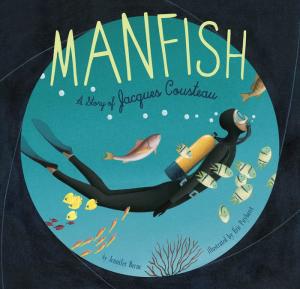
Manfish: A Story of Jacques Cousteau (Jacques Cousteau Book for Kids, Children's Ocean Book, Underwater Picture Book for Kids)

Manfish by Jennifer Berne

This is a truly marvelous book about an amazing pioneer. I read this story to students every year to launch my Writer’s Workshop. To get the FREE lesson plan, click here!

The book follows the life story of Jacques Cousteau. Not only was he an intrepid pioneer exploring the sea, he also had deep interest and knowledge in inventing, writing and film making. The writing is lyrical and the illustrations are vibrant. You will love this wonderful biography and your students will be inspired by him too.

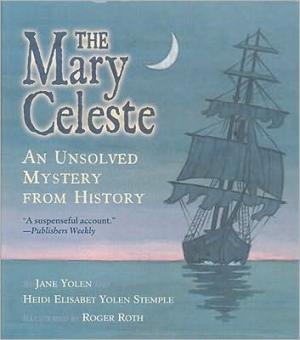
The Mary Celeste by Jane Yolen

This book by the same author as Encounter is a beautifully written account of a true story – the disappearance of the Mary Celeste in 1872. The mystery has NEVER been solved, and students will have a blast keeping track of the clues and trying to solve the mystery. The last 2 pages of the book give 6 popular theories, but no one knows which one, if any, are correct.

When I read this book, I ask students to try to solve the mystery. It is an illuminating peek into their inference skills. Plus, it’s such a terrific read and it will fly off the shelves as students puzzle over the illustrations and continue to try and solve the mystery.

The Mary Celeste: An Unsolved Mystery from History
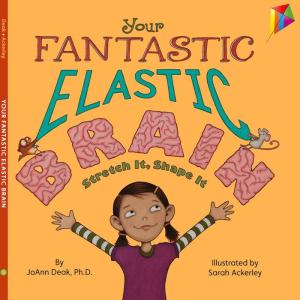
Your Fantastic Elastic Brain: Stretch It, Shape It

Your Fantastic, Elastic Brain by JoAnn Deak

This book is full of charming illustrations and amazing facts about the human brain. It clearly explains how the brain grows and changes over time, and how mistakes are an important part of that. This is a perfect book to launch a growth mindset classroom. Your students will be stretching their brains in no time!

A Second is a Hiccup by Hazel Hutchins

This is a delightful book about time and perfect for launching the beginning of your time together. The book begins with all the things that you can do in a second and continues through a minute, and hour and so on until you reach a full year. And, it rhymes! If any of your students are still working to sort out time, this is great for them. But I like to read it and then do a little dreaming together. After reading the book together, we work through the Hopes and Fears protocol as we think about the year we will spend together. I learn a lot about my students, they learn about each other, and most importantly, the students start to feel some ownership in our classroom.

Unstoppable by Art Coulson

This is a biography about Jim Thorpe, an unstoppable Native American athlete. This story will really grab your athletes, and all of your students will resonate with the story of the underdog defeating the favorite. Many students will also resonate with Jim Thorpe, a young man who didn’t find school engaging. As I read, I watch the body language and listen carefully during turn and talks. The book and our discussion often open a window into how my students are feeling about school. At the beginning of the year, that information helps me build relationships with my students.

There are so many amazing picture book biographies in addition to the two I’ve mentioned here. Bringing non-fiction picture books into your classroom will help you meet your standards and expose students to new content, different perspectives and interesting ideas. And, you can do it in about 10 minutes!

« Older Entries